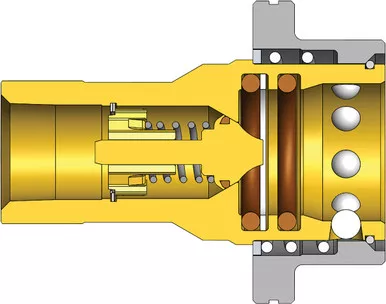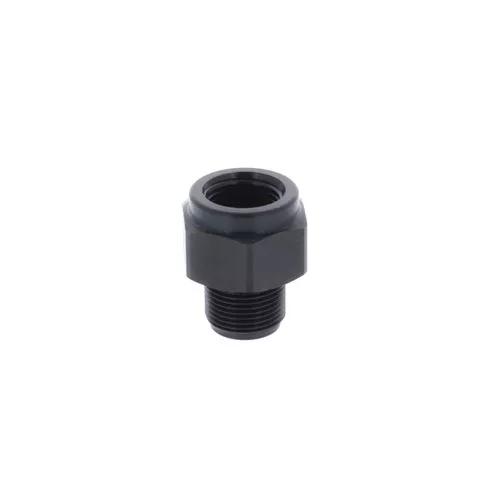
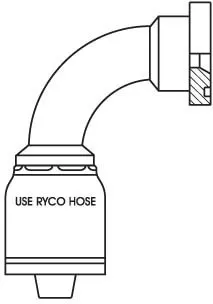
When you’re out in the field running hydraulic implements, the last thing you need is a hose that won’t bend where it needs to or a fitting that won’t line up properly. This 90-degree Code 61 flange fitting solves those problems by giving your hydraulic hoses the flexibility to route cleanly around obstacles while maintaining a secure, leak-free connection. Whether you’re dealing with tight spaces around your loader or need to navigate around frame components, this fitting gets your hydraulic lines where they need to go.
What You’re Getting
- 90-degree elbow design routes hoses around tight spaces and obstacles without kinking
- Code 61 flange connection provides a secure, high-pressure seal that won’t blow out under load
- 3/4 inch thread matches standard agricultural hydraulic systems
- Ryco T2000 series construction built for the demands of farm equipment
- Crimp-on design creates a permanent, reliable connection that won’t work loose
Built for Real Farm Work
This fitting is designed for 3/4 inch hydraulic hose commonly used on tractors, combines, and implements for everything from loader operation to powering hydraulic motors on hay equipment. The flange connection is especially popular on agricultural equipment because it handles high pressures and provides a secure mounting point that won’t vibrate loose during long days of field work.
Made to Last
Ryco fittings are built to handle the pressure spikes and constant flexing that come with agricultural hydraulic systems. The crimp connection creates a bond that’s stronger than the hose itself, while the flange design distributes stress evenly to prevent cracking or failure at the connection point.
Good to Know
This fitting requires professional crimping equipment to install properly – thread sealant appropriate for hydraulic systems should be used on pipe threads, and avoid tape that can contaminate the system. The 55mm cutoff allowance gives you room to get a clean, square cut on your hose before crimping. Make sure your hose is completely clean and free of debris before assembly to prevent contamination in your hydraulic system.