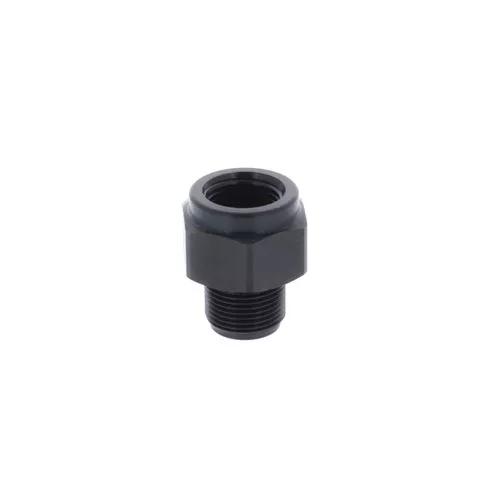
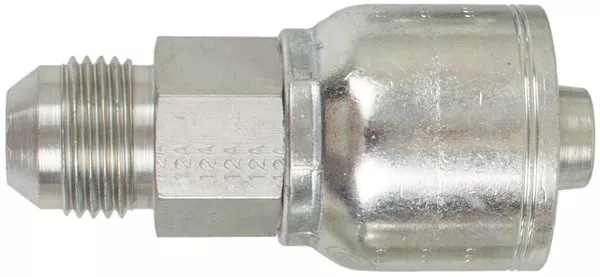
When you’re building or repairing hydraulic hoses, having the right crimp fitting makes all the difference between a connection that holds and one that lets you down in the middle of harvest. This Ryco JIC male fitting is designed to create a permanent, leak-free connection between your 5/8 inch hydraulic hose and equipment with 7/8-14 JIC threads—no more wrestling with worn-out fittings or dealing with messy hydraulic leaks.
What You’re Getting
- Precision-machined JIC male threads that create a metal-to-metal seal for reliable connections
- Crimp-style design that forms a permanent bond with your 5/8 inch hose when properly crimped
- Quality steel construction that handles high hydraulic pressures without distortion
- External male threads sized at 7/8-14 to fit standard JIC female connections
- Professional-grade Ryco quality that meets OEM specifications
Built for Real Farm Work
This fitting works with standard 5/8 inch inside diameter hydraulic hose commonly found on mid-size to larger tractors and hydraulic equipment. Whether you’re connecting to loader circuits, remote hydraulic outlets, or auxiliary hydraulic systems, the JIC thread standard ensures compatibility across different equipment brands. It’s the same type of fitting you’ll find on everything from compact utility tractors to large row-crop machines.
Made to Last
Ryco fittings are built to handle the pressure spikes and vibration that come with real farm work. The steel construction resists cracking under pressure, while the precision threads maintain their seal even after years of connecting and disconnecting implements. A properly crimped connection will typically outlast the hose itself.
Good to Know
This is a crimp-style fitting that requires a hydraulic hose crimper with the correct dies for proper installation. The crimp creates a permanent connection, so measure twice and crimp once. Make sure your crimper dies match both the fitting and hose specifications—improper crimping can lead to connection failure. Always test new hose assemblies at working pressure before putting them into service.