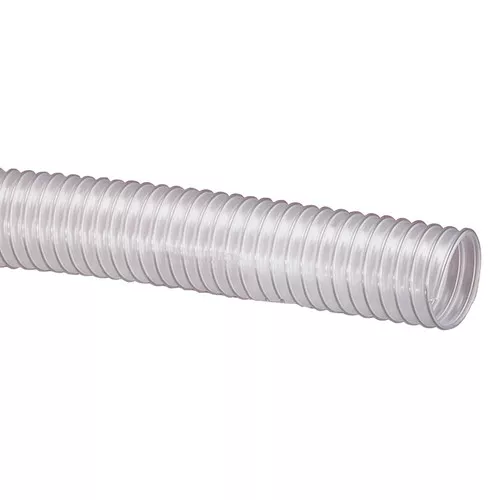
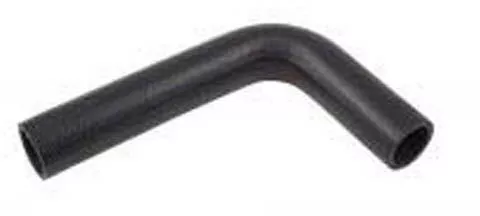
When you notice coolant puddled under your Ford tractor or see steam coming from under the hood, there’s a good chance your upper radiator hose has called it quits. This critical connection between your engine and radiator keeps coolant flowing where it needs to go, and when it fails, you’re looking at expensive engine damage if you don’t catch it quick. This replacement hose gets you back to work with confidence.
What You’re Getting
- Direct replacement that fits like the original – no modifications needed
- High-temperature rubber compound that won’t crack or split under pressure
- Reinforced construction handles the heat cycling from cold starts to full operating temps
- Molded shape maintains proper coolant flow without kinking or collapsing
Built for Real Farm Work
This hose fits Ford’s workhorse 2000, 3000, 4000, and 5000 series diesel tractors from 1965 and up – the backbone tractors you’ll find on farms everywhere doing everything from loader work to field cultivation. Whether you’re running a compact 2000 for utility work or pushing a 5000 through heavy tillage, this hose handles the heat and pressure these engines generate during long working days.
Made to Last
Farm tractors don’t get pampered, and neither do their cooling systems. This hose is built with materials that can handle the constant temperature swings, vibration, and pressure surges that come with real farm work. The rubber compound stays flexible through hot summers and cold winters, while the reinforcement prevents ballooning under pressure.
Good to Know
Installation is straightforward – drain the cooling system, loosen the hose clamps, and swap it out. While you’re in there, it’s smart to replace the clamps too if they show any rust or stretching. Check your lower hose and thermostat while the system’s open – if one hose is going bad, the others might not be far behind.